
Covers the entire construction process, from foundations and framing to finishes like plastering, tiling, plumbing, and electricals, focusing on safety, quality (using standards like IS codes), and the sequential activities needed to erect a structure, including crucial temporary supports like centering (formwork) for concrete elements. It involves major phases like site prep, structural work (RCC), enclosure, MEP systems, and interior/exterior finishing, all aiming for a safe, functional, and durable building.
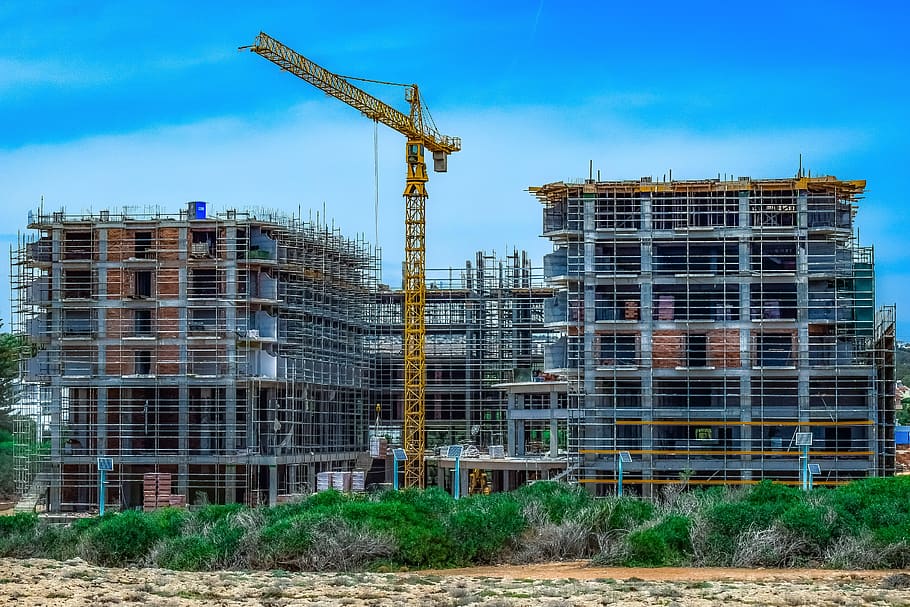
Construction
The creative application to design, build, and maintain structures, machines, systems, and processes, solving complex problems and making technology useful for humanity, spanning fields like civil, mechanical, electrical, and chemical engineering, essential for modern life from bridges to smartphones. It involves practical problem-solving, innovation, and balancing technical needs with safety, cost, and efficienc.

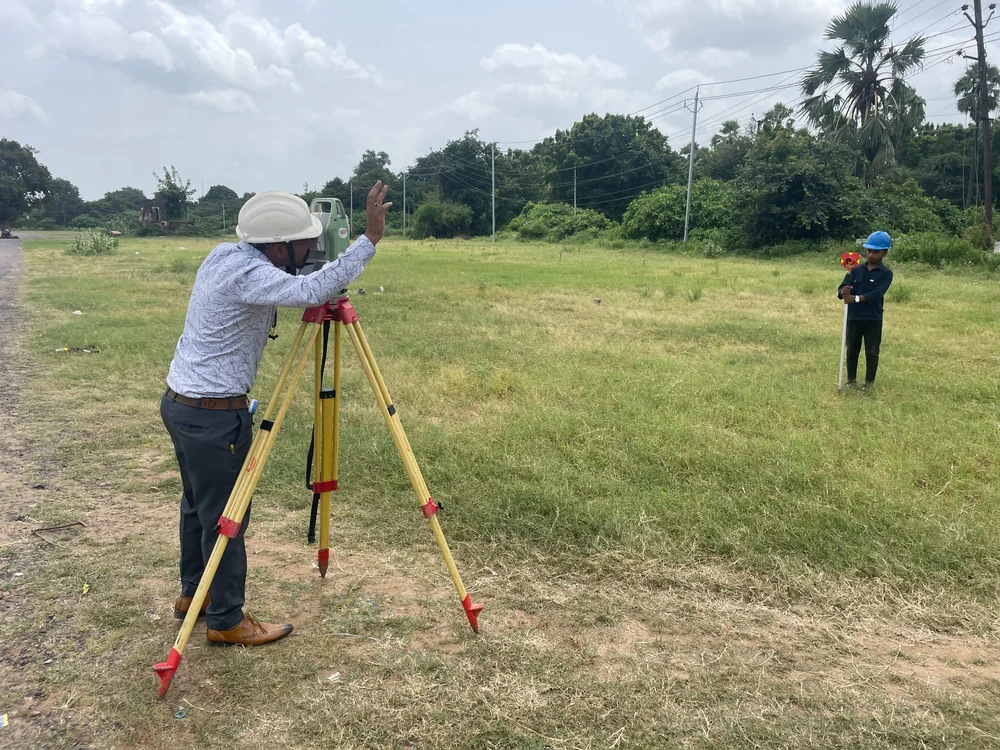
Surveying is the science and art of determining precise locations, distances, and angles on Earth’s surface (or above/below it) to create accurate maps, establish property lines, and guide construction, using math, geometry, and specialized tools like GPS, total stations, and levels to measure the physical environment for engineering, planning, and legal purpose.
Documentation involves preparing key documents like sale deeds, identity proofs (Aadhaar, PAN), property records (Patta, Chitta), and Encumbrance Certificates, then submitting them to the Sub-Registrar Office (SRO) for official recording, often requiring online appointments and payment of stamp duty and fees to legalize property transactions or other important legal documents. The primary purpose is to create a public record for legal validity, ownership proof, and to prevent fraud.

Registration is the official, government-managed process of recording property ownership, transactions (sales, mortgages, leases), and rights to land, creating a public record to ensure legal title, prevent disputes, and facilitate property transfer by documenting details like owner, location, size, and usage. It involves submitting documents like sale deeds to a registrar’s office, paying fees (stamp duty, registration), and getting official entry, establishing legal proof of ownership. .